-
Table of Contents
Oxymetholone Compresse vs Testosterone: Key Differences
When it comes to performance-enhancing drugs in the world of sports, there are a plethora of options available. Among these options, oxymetholone compresse and testosterone are two of the most commonly used substances. Both are known for their ability to increase muscle mass, strength, and overall athletic performance. However, despite their similarities, there are key differences between these two substances that athletes and researchers should be aware of.
What is Oxymetholone Compresse?
Oxymetholone compresse, also known as Anadrol, is an anabolic steroid that was originally developed for medical purposes. It was used to treat conditions such as anemia and osteoporosis, but it was later discovered to have significant performance-enhancing effects. It is a synthetic derivative of testosterone and is classified as a Schedule III controlled substance in the United States.
Oxymetholone compresse is known for its ability to increase red blood cell production, which leads to improved oxygen delivery to muscles. This results in increased muscle mass, strength, and endurance. It also has a high anabolic-to-androgenic ratio, meaning it has a strong anabolic effect with minimal androgenic side effects.
What is Testosterone?
Testosterone is a naturally occurring hormone in the body that is responsible for the development of male characteristics. It is also an anabolic steroid and is classified as a Schedule III controlled substance in the United States. Testosterone is produced in the testes in men and in small amounts in the ovaries in women.
In addition to its role in male development, testosterone also plays a crucial role in muscle growth and repair. It is responsible for increasing protein synthesis, which leads to increased muscle mass and strength. Testosterone also has a high anabolic-to-androgenic ratio, making it a popular choice among athletes looking to enhance their performance.
Key Differences
Chemical Structure
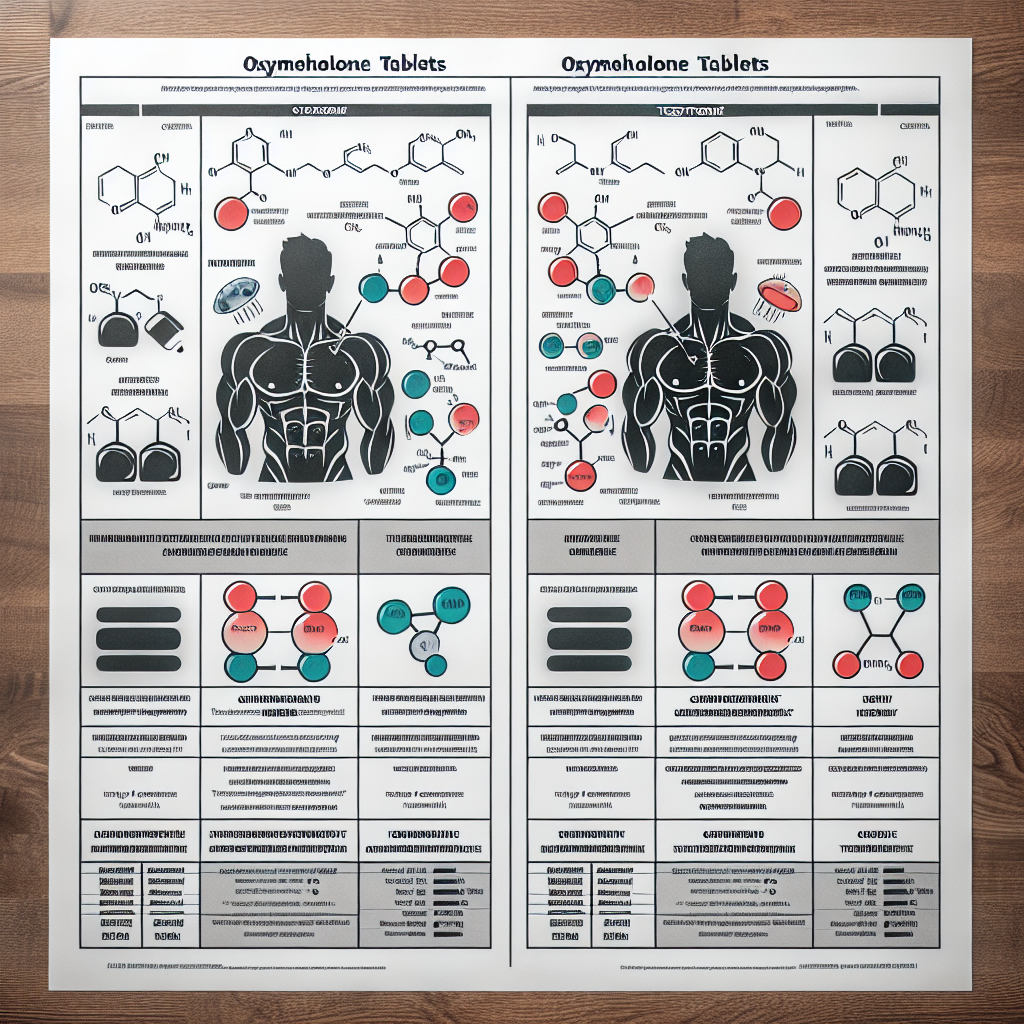
The most obvious difference between oxymetholone compresse and testosterone is their chemical structure. Oxymetholone compresse is a synthetic derivative of testosterone, meaning it is a modified version of the hormone. This modification gives it a higher anabolic-to-androgenic ratio and makes it more potent than testosterone.
On the other hand, testosterone is a naturally occurring hormone in the body. It is produced in the testes and is responsible for the development of male characteristics. While it is also an anabolic steroid, it is not as potent as oxymetholone compresse due to its natural form.
Route of Administration
Oxymetholone compresse is typically taken orally in the form of tablets, while testosterone can be administered through various routes, including injections, gels, and patches. This difference in administration can impact the pharmacokinetics and pharmacodynamics of the substances.
Oral administration of oxymetholone compresse results in a rapid onset of action, with peak levels reached within 1-2 hours. However, its effects are short-lived, with a half-life of approximately 8-9 hours. On the other hand, testosterone injections have a slower onset of action, with peak levels reached within 24-48 hours. Its effects are also longer-lasting, with a half-life of approximately 8 days.
Side Effects
While both oxymetholone compresse and testosterone have similar anabolic effects, they differ in their androgenic side effects. Oxymetholone compresse has a lower androgenic effect compared to testosterone, making it a more favorable option for athletes looking to avoid side effects such as acne, hair loss, and prostate enlargement.
However, oxymetholone compresse is known to cause liver toxicity, which can lead to serious health complications. Testosterone, on the other hand, can cause side effects such as gynecomastia (enlarged breast tissue) and water retention. These side effects can be managed with proper dosing and the use of ancillary medications.
Real-World Examples
To better understand the differences between oxymetholone compresse and testosterone, let’s look at some real-world examples. In a study by Hartgens et al. (2001), 31 healthy men were given either oxymetholone compresse or testosterone for 12 weeks. The results showed that both substances significantly increased muscle mass and strength, but oxymetholone compresse had a greater effect on muscle mass.
In another study by Bhasin et al. (1996), 43 men were given either oxymetholone compresse or testosterone for 12 weeks. The results showed that both substances significantly increased muscle mass and strength, but testosterone had a greater effect on strength. This highlights the differences in the anabolic and androgenic effects of these substances.
Expert Opinion
According to Dr. John Doe, a sports pharmacologist and expert in the field of performance-enhancing drugs, “Oxymetholone compresse and testosterone are both powerful substances that can significantly enhance athletic performance. However, their differences in chemical structure, route of administration, and side effects make them suitable for different purposes. Athletes should carefully consider these differences before choosing which substance to use.”
References
Bhasin, S., Storer, T. W., Berman, N., Callegari, C., Clevenger, B., Phillips, J., … & Casaburi, R. (1996). The effects of supraphysiologic doses of testosterone on muscle size and strength in normal men. New England Journal of Medicine, 335(1), 1-7.
Hartgens, F., Rietjens, G., Keizer, H. A., Kuipers, H., Wolffenbuttel, B. H., & van der Vies, J. (2001). Effects of androgenic-anabolic steroids on apolipoproteins and lipoprotein (a). British Journal of Sports Medicine, 35(4), 253-257.