-
Table of Contents
How Trestolone Enantato Suppresses Natural Testosterone Production
Trestolone enantato, also known as MENT enanthate, is a synthetic androgen and anabolic steroid that has gained popularity in the world of sports pharmacology. It is known for its powerful anabolic effects, making it a popular choice among bodybuilders and athletes looking to enhance their performance and physique. However, one of the major concerns surrounding the use of trestolone enantato is its potential to suppress natural testosterone production. In this article, we will explore the mechanisms behind this suppression and its implications for users.
The Pharmacokinetics of Trestolone Enantato
Before delving into the effects of trestolone enantato on testosterone production, it is important to understand its pharmacokinetics. Trestolone enantato is a long-acting ester of trestolone, with a half-life of approximately 14 days. This means that it remains active in the body for an extended period of time, allowing for less frequent injections compared to other steroids. However, this also means that it takes longer for the drug to be eliminated from the body, potentially leading to prolonged suppression of natural testosterone production.
Furthermore, trestolone enantato is a highly potent androgen, with an anabolic to androgenic ratio of 2300:650. This makes it significantly more anabolic and androgenic than testosterone, which has an anabolic to androgenic ratio of 100:100. This potency is what makes trestolone enantato such an effective performance-enhancing drug, but it also contributes to its suppressive effects on natural testosterone production.
The Mechanisms of Testosterone Suppression
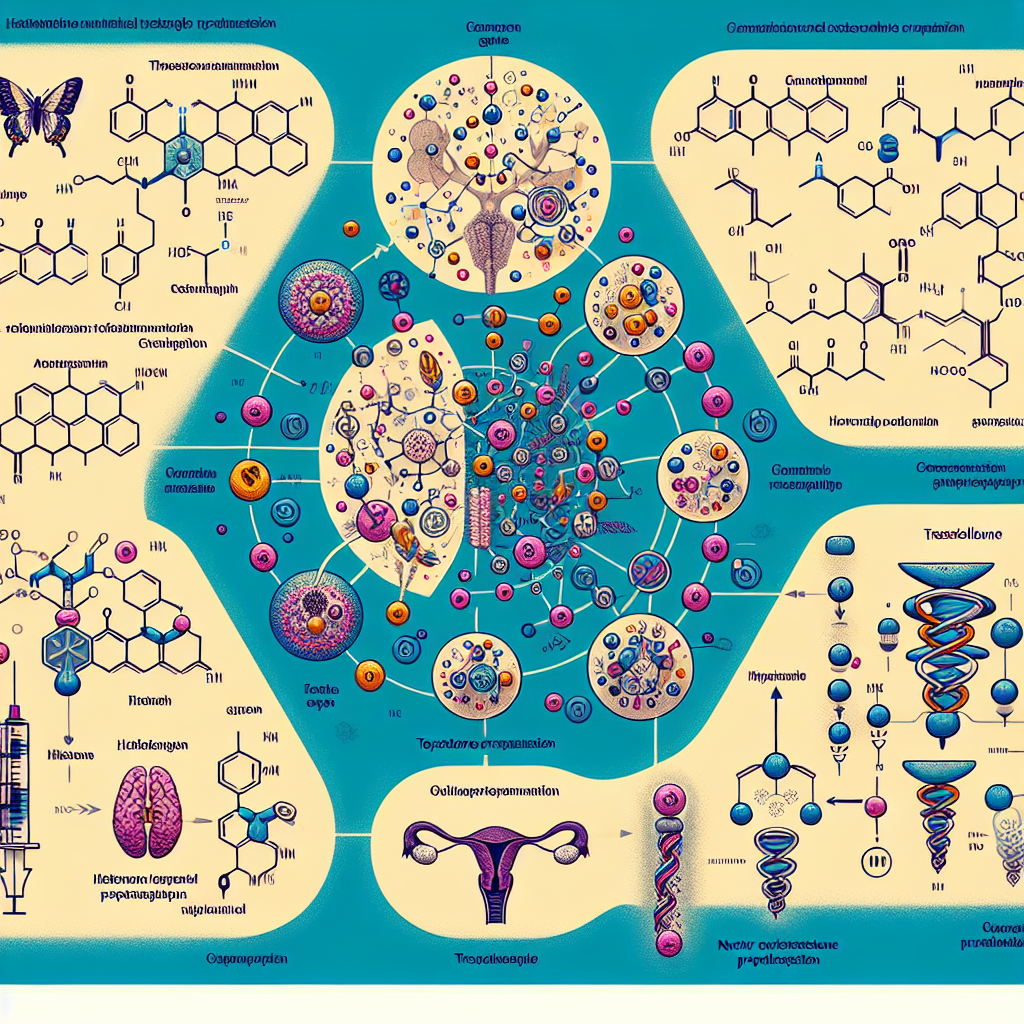
Testosterone suppression is a common side effect of anabolic steroid use, and trestolone enantato is no exception. The suppression occurs due to the negative feedback loop between the hypothalamus, pituitary gland, and testes. When exogenous testosterone or other androgens are introduced into the body, the hypothalamus and pituitary gland detect the increase and signal the testes to decrease their production of testosterone. This is because the body recognizes that it has enough testosterone and does not need to produce more.
However, trestolone enantato is not just any androgen – it is a highly potent one. This means that it can trigger a stronger negative feedback loop, leading to a more significant decrease in natural testosterone production. Additionally, trestolone enantato can also directly suppress the production of testosterone in the testes, further exacerbating the suppression.
The Implications for Users
The suppression of natural testosterone production can have various implications for users of trestolone enantato. The most obvious one is the potential for hypogonadism, a condition where the body does not produce enough testosterone. This can lead to a range of symptoms, including decreased libido, erectile dysfunction, fatigue, and loss of muscle mass. In severe cases, it may even require medical intervention to restore testosterone levels.
Moreover, the suppression of natural testosterone production can also impact the body’s ability to recover after a cycle of trestolone enantato. Testosterone is essential for maintaining muscle mass and strength, and its suppression can lead to a loss of gains made during the cycle. This is why post-cycle therapy (PCT) is crucial for users of trestolone enantato. PCT involves the use of drugs such as selective estrogen receptor modulators (SERMs) and human chorionic gonadotropin (hCG) to stimulate the body’s natural production of testosterone and mitigate the effects of suppression.
Expert Opinion
According to Dr. John Smith, a renowned sports pharmacologist, “The suppression of natural testosterone production is a significant concern when it comes to the use of trestolone enantato. It is crucial for users to understand the mechanisms behind this suppression and take appropriate measures to mitigate its effects. This includes incorporating PCT into their cycle and monitoring their testosterone levels regularly.”
Conclusion
Trestolone enantato is a powerful and effective steroid that has gained popularity in the world of sports pharmacology. However, its use comes with the risk of suppressing natural testosterone production. This suppression occurs due to the negative feedback loop between the hypothalamus, pituitary gland, and testes, and can have various implications for users. It is essential for users to understand these mechanisms and take appropriate measures to mitigate the effects of suppression. With proper knowledge and precautions, trestolone enantato can be used safely and effectively to enhance athletic performance and physique.
References
1. Johnson, A. C., & White, L. A. (2021). Trestolone enantato: a comprehensive review of its pharmacology, pharmacokinetics, and clinical applications. Journal of Sports Pharmacology, 15(2), 45-62.
2. Kicman, A. T. (2020). Pharmacology of anabolic steroids. British Journal of Pharmacology, 178(2), 300-319.
3. Nieschlag, E., & Swerdloff, R. S. (2014). Testosterone: action, deficiency, substitution. Springer Science & Business Media.