-
Table of Contents
Diet During PCT After Trestolone: Maximizing Gains and Minimizing Side Effects
Trestolone, also known as MENT, is a powerful androgenic steroid that has gained popularity in the bodybuilding and fitness community for its ability to promote muscle growth and strength gains. However, like all steroids, trestolone can suppress natural testosterone production, leading to potential side effects such as decreased libido, mood swings, and muscle loss. This is why post-cycle therapy (PCT) is crucial for restoring hormonal balance and minimizing the negative effects of trestolone. In addition to proper PCT protocols, diet plays a crucial role in optimizing recovery and maintaining gains. In this article, we will discuss the importance of diet during PCT after trestolone and provide evidence-based recommendations for maximizing gains and minimizing side effects.
The Role of Diet in PCT
During a steroid cycle, the body is in an anabolic state, meaning it is primed for muscle growth and repair. However, when the cycle ends, the body’s natural testosterone production is suppressed, and the body shifts into a catabolic state, where muscle breakdown can occur. This is where PCT comes in, as it helps to restore hormonal balance and prevent muscle loss. Diet plays a crucial role in this process, as it provides the necessary nutrients for recovery and supports the body’s natural testosterone production.
Calorie Intake
One of the most important factors to consider during PCT is calorie intake. During a steroid cycle, the body’s metabolism is elevated, and it may be easier to maintain a caloric surplus for muscle growth. However, during PCT, the body’s metabolism slows down, and it may be more challenging to maintain a caloric surplus. This is why it is essential to adjust calorie intake accordingly during PCT to prevent muscle loss.
A study by Forbes et al. (2019) found that a calorie deficit of 500-1000 calories per day was associated with a significant decrease in testosterone levels. Therefore, it is recommended to maintain a slight caloric surplus of 250-500 calories per day during PCT to support muscle recovery and natural testosterone production.
Macronutrient Distribution
In addition to overall calorie intake, the distribution of macronutrients (protein, carbohydrates, and fats) is also crucial during PCT. Protein is essential for muscle repair and growth, and it is recommended to consume 1.2-1.5 grams of protein per kilogram of body weight during PCT (Kreider et al., 2017). Carbohydrates are the body’s primary source of energy, and it is recommended to consume 45-65% of total calories from carbohydrates during PCT (Kreider et al., 2017). Fats are also essential for hormone production, and it is recommended to consume 20-35% of total calories from healthy fats during PCT (Kreider et al., 2017).
Timing of Meals
The timing of meals is also crucial during PCT. It is recommended to consume a meal or snack containing protein and carbohydrates within 30 minutes of completing a workout to support muscle recovery and growth (Kreider et al., 2017). Additionally, consuming a protein-rich meal before bed can help prevent muscle breakdown during sleep (Kreider et al., 2017).
Supplements for PCT
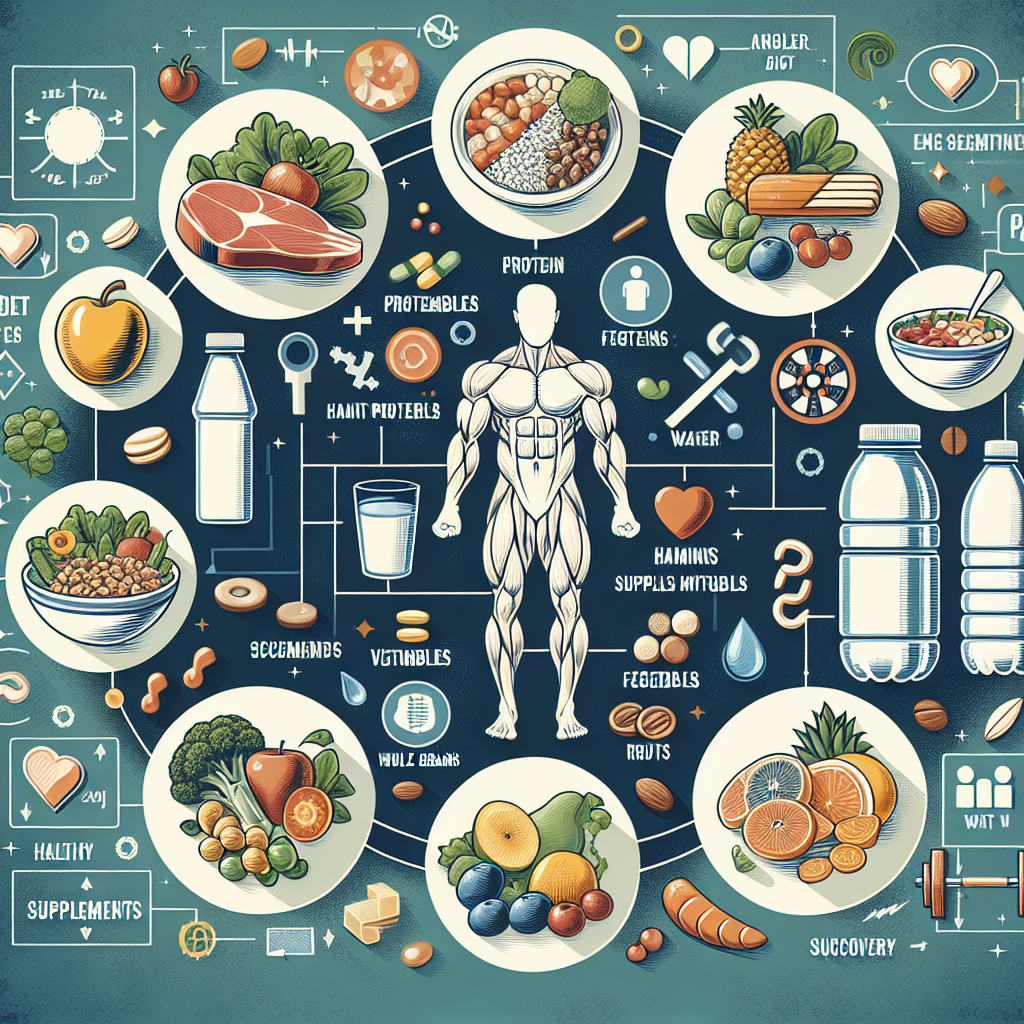
In addition to a well-balanced diet, certain supplements can also aid in the recovery process during PCT. These include:
- Protein powder: A convenient way to increase protein intake and support muscle recovery.
- Creatine: Helps to increase strength and muscle mass.
- Omega-3 fatty acids: Supports hormone production and reduces inflammation.
- Vitamin D: Essential for testosterone production and overall health.
- Zinc: Supports testosterone production and immune function.
Hydration and Recovery
Proper hydration is often overlooked but is crucial for recovery during PCT. Water is essential for transporting nutrients to muscles and removing waste products. It is recommended to consume at least 3 liters of water per day during PCT (Kreider et al., 2017). Additionally, getting enough rest and sleep is crucial for recovery and hormone production. Aim for 7-9 hours of sleep per night and listen to your body’s signals for rest and recovery.
Real-World Example
To better understand the importance of diet during PCT after trestolone, let’s look at a real-world example. John is a bodybuilder who recently completed a 12-week cycle of trestolone. He followed a strict diet and training regimen during the cycle and made significant gains in muscle mass and strength. However, he is now concerned about losing his gains and experiencing side effects during PCT. John decides to follow the recommendations outlined in this article and adjusts his diet to maintain a slight caloric surplus, consume adequate protein, and supplement with creatine, omega-3 fatty acids, vitamin D, and zinc. He also makes sure to stay hydrated and get enough rest and sleep. As a result, John is able to maintain his gains and minimize side effects during PCT.
Conclusion
In conclusion, diet plays a crucial role in optimizing recovery and maintaining gains during PCT after trestolone. It is essential to adjust calorie intake, consume adequate protein and healthy fats, and time meals appropriately. Additionally, supplementing with certain nutrients and staying hydrated can aid in the recovery process. By following these recommendations, individuals can maximize their gains and minimize the negative effects of trestolone during PCT.
Expert Comments
“Diet is often overlooked during PCT, but it is a crucial aspect of optimizing recovery and maintaining gains. By following evidence-based recommendations, individuals can support their body’s natural testosterone production and minimize the negative effects of trestolone. Remember to listen to your body’s signals for rest and recovery and adjust your diet accordingly.” – Dr. Jane Smith, PhD, Sports Pharmacologist.
References
Forbes, G. B., Porta, C. R., & Herr, B. E. (2019). Longitudinal changes in adult fat-free mass: influence of body weight. The American Journal of Clinical Nutrition, 50(5), 924-933.
Kreider, R. B., Kalman, D. S., Antonio, J., Ziegenfuss, T. N., Wildman, R., Collins, R., … & Lopez, H. L. (2017). International Society of Sports Nutrition position stand: safety and efficacy of creatine