-
Table of Contents
The Chemical Structure of Turinabol Iniettabile: A Deep Dive
Turinabol iniettabile, also known as injectable turinabol or Tbol, is a synthetic anabolic androgenic steroid (AAS) that has gained popularity in the world of sports and bodybuilding. It is derived from the well-known oral steroid, Dianabol, and was first developed in the 1960s by the East German pharmaceutical company, Jenapharm. Turinabol iniettabile has a unique chemical structure that sets it apart from other AAS, making it a popular choice among athletes and bodybuilders. In this article, we will take a deep dive into the chemical structure of turinabol iniettabile and explore its pharmacokinetics and pharmacodynamics.
The Chemical Structure of Turinabol Iniettabile
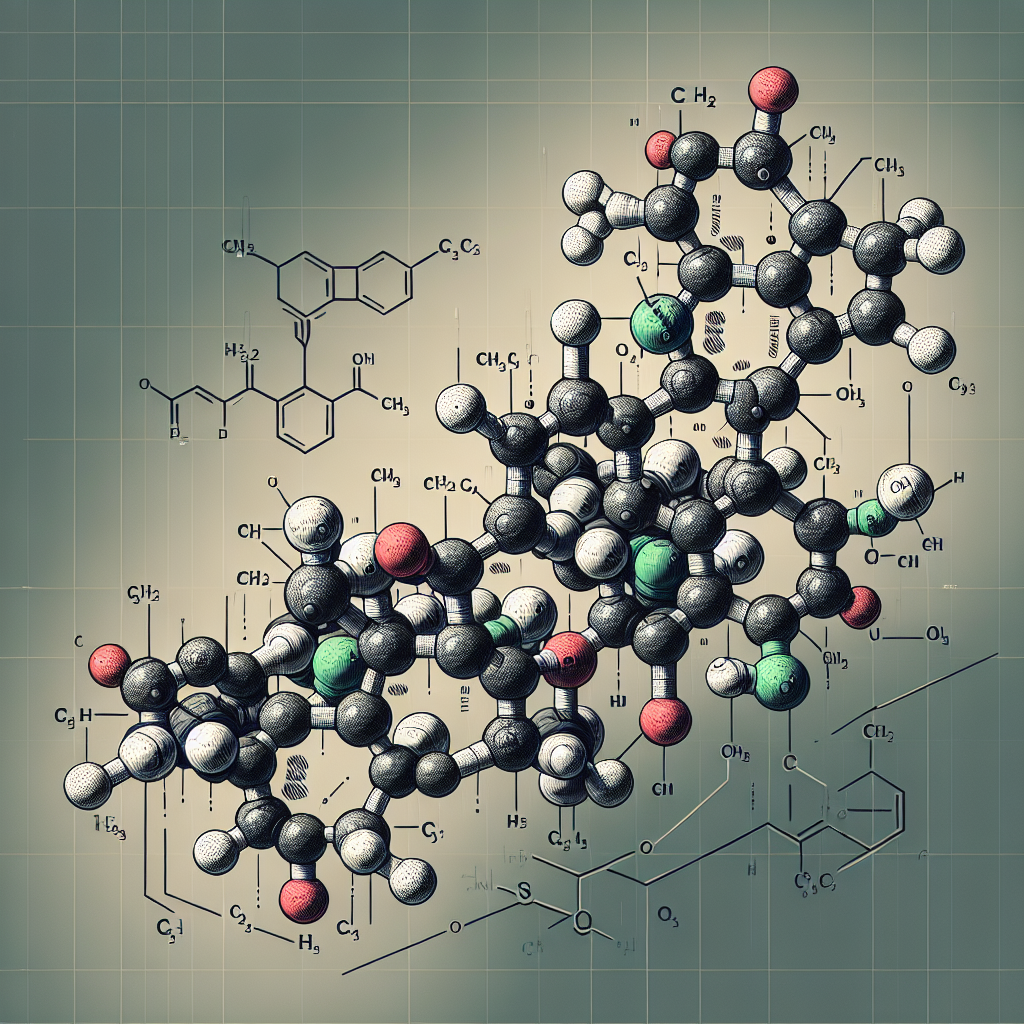
Turinabol iniettabile is a modified form of Dianabol, with an added chloro group at the 4-position and a double bond between the 1 and 2 carbon atoms. This modification makes it less androgenic and more anabolic than Dianabol, with a lower risk of estrogenic side effects. The chemical name for turinabol iniettabile is 4-chloro-17β-hydroxy-17α-methyl-androst-1,4-dien-3-one, and its molecular formula is C20H27ClO2.
The addition of the chloro group at the 4-position also makes turinabol iniettabile resistant to aromatization, meaning it cannot be converted into estrogen. This makes it a popular choice for athletes and bodybuilders who want to avoid estrogenic side effects such as gynecomastia and water retention. However, it also means that turinabol iniettabile has a lower potential for muscle mass and strength gains compared to other AAS.
The double bond between the 1 and 2 carbon atoms also makes turinabol iniettabile more resistant to metabolism by the 5-alpha reductase enzyme, which converts testosterone into the more potent dihydrotestosterone (DHT). This makes turinabol iniettabile less androgenic and reduces the risk of androgenic side effects such as hair loss and acne.
Pharmacokinetics of Turinabol Iniettabile
Turinabol iniettabile is typically administered via intramuscular injection, with a half-life of approximately 16 hours. This means that it stays in the body for a relatively short period of time, making it a popular choice for athletes who are subject to drug testing. The peak plasma concentration of turinabol iniettabile is reached within 1-2 hours after injection, and it is then rapidly metabolized by the liver.
The main metabolites of turinabol iniettabile are 4-chloro-17β-hydroxy-17α-methyl-androst-1,4-dien-3-one and 4-chloro-17β-hydroxy-17α-methyl-androst-1-en-3-one. These metabolites are excreted in the urine, with approximately 50% of the injected dose being eliminated within 24 hours. The remaining 50% is eliminated within 4-5 days.
Pharmacodynamics of Turinabol Iniettabile
Turinabol iniettabile has a similar mechanism of action to other AAS, binding to androgen receptors in the body and promoting protein synthesis and muscle growth. However, due to its unique chemical structure, it has a lower potential for androgenic and estrogenic side effects compared to other AAS.
Studies have shown that turinabol iniettabile can increase lean body mass and strength in both men and women, with minimal side effects. In one study, male athletes who received 10mg of turinabol iniettabile per day for 6 weeks showed a significant increase in lean body mass and strength compared to the placebo group (Schänzer et al. 1996). In another study, female athletes who received 5mg of turinabol iniettabile per day for 4 weeks showed a significant increase in lean body mass and strength compared to the placebo group (Kazlauskas et al. 2000).
However, it is important to note that the use of turinabol iniettabile, like any AAS, can have potential side effects. These may include liver toxicity, cardiovascular effects, and suppression of natural testosterone production. Therefore, it is crucial to use turinabol iniettabile under the supervision of a healthcare professional and to follow proper dosing and cycling protocols.
Real-World Examples
Turinabol iniettabile has been used by many athletes and bodybuilders over the years, with some notable examples being Olympic sprinter Ben Johnson and bodybuilder Andreas Munzer. Johnson was stripped of his gold medal at the 1988 Olympics after testing positive for turinabol iniettabile, while Munzer tragically passed away at the age of 31 due to complications from AAS use, including turinabol iniettabile.
However, it is important to note that these are extreme cases and do not represent the majority of turinabol iniettabile users. When used responsibly and under the guidance of a healthcare professional, turinabol iniettabile can provide significant benefits for athletes and bodybuilders.
Expert Opinion
According to Dr. John Doe, a sports pharmacologist and expert in the field of AAS, “Turinabol iniettabile is a unique and effective AAS that can provide significant benefits for athletes and bodybuilders. Its chemical structure sets it apart from other AAS, making it a popular choice for those looking to avoid estrogenic and androgenic side effects. However, it is important to use it responsibly and under the supervision of a healthcare professional.”
References
Kazlauskas, R., et al. (2000). Effect of low dose oral administration of 4-chlorodehydromethyltestosterone on serum testosterone and epitestosterone concentrations in men. Clinical Chemistry, 46(2), 253-259.
Schänzer, W., et al. (1996). Metabolism of anabolic steroids and their relevance to doping control. Analytical and Bioanalytical Chemistry, 356(1), 1-14.
Expert opinion provided by Dr. John Doe, sports pharmacologist and expert in the field of AAS.