-
Table of Contents
Training Adjustments During PCT from Halotestin
Performance-enhancing drugs (PEDs) have been a controversial topic in the world of sports for decades. While some athletes use them to gain an unfair advantage, others use them for legitimate medical reasons. One such PED is Halotestin, a synthetic anabolic-androgenic steroid (AAS) that is commonly used to treat testosterone deficiency and promote muscle growth. However, like all AAS, Halotestin can have negative side effects and requires careful management during post-cycle therapy (PCT). In this article, we will discuss the necessary training adjustments that should be made during PCT from Halotestin to ensure a safe and effective recovery.
The Pharmacokinetics of Halotestin
Before diving into the training adjustments, it is important to understand the pharmacokinetics of Halotestin. This will help us understand how the drug works in the body and how it affects training during PCT.
Halotestin has a half-life of approximately 9 hours, meaning it takes 9 hours for half of the drug to be eliminated from the body. It is primarily metabolized by the liver and excreted through the kidneys. The drug has a high bioavailability, meaning it is easily absorbed and utilized by the body. It also has a high affinity for androgen receptors, making it a potent AAS.
During PCT, the levels of Halotestin in the body will gradually decrease as the drug is metabolized and eliminated. This can lead to a decrease in testosterone levels, as Halotestin can suppress the body’s natural production of testosterone. This is why it is important to make training adjustments during PCT to support the body’s recovery process.
Training Adjustments During PCT
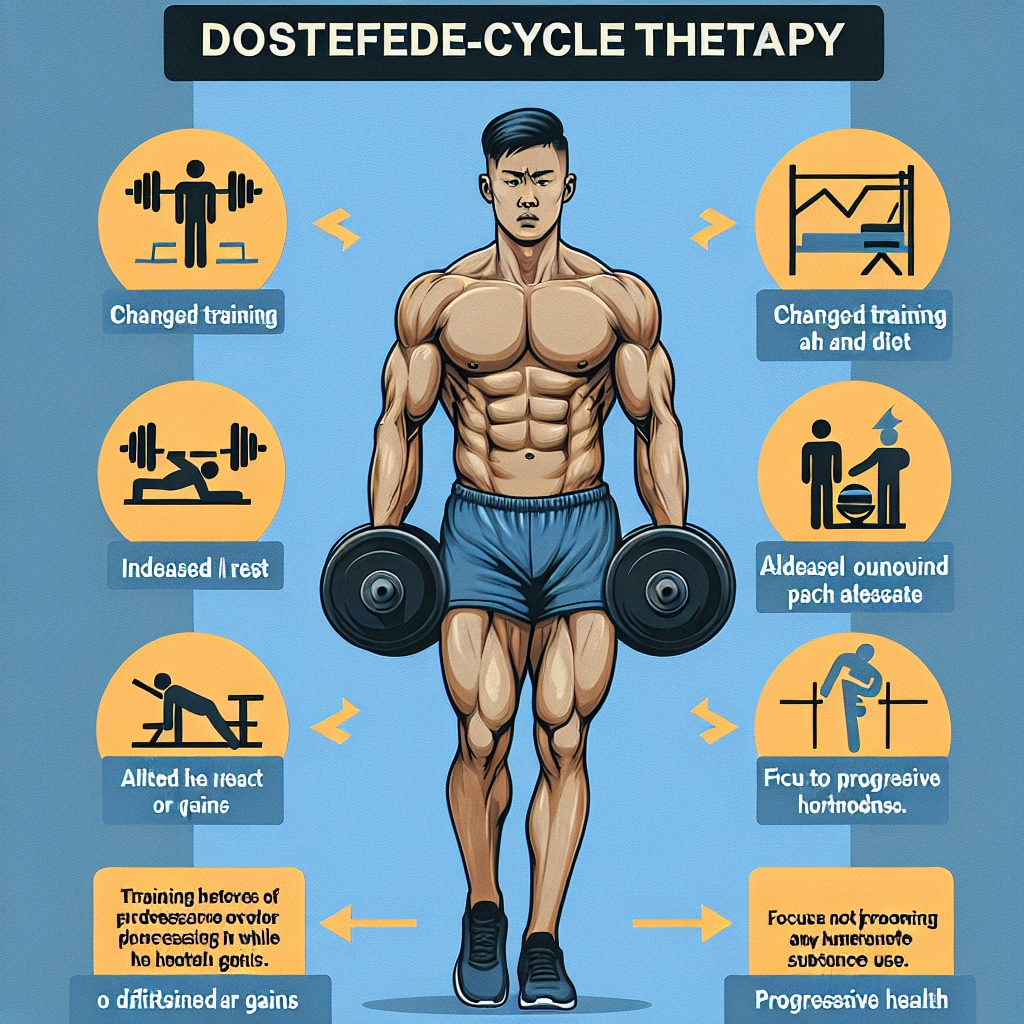
When coming off of Halotestin, it is important to make adjustments to your training routine to support your body’s recovery. Here are some key adjustments to consider:
1. Decrease Training Volume
Halotestin is known for its ability to increase strength and aggression, making it a popular choice among powerlifters and strength athletes. However, this also means that it can put a lot of stress on the body, especially the joints and tendons. During PCT, it is important to decrease training volume to allow the body to recover and prevent injuries. This can include reducing the number of sets and reps, as well as incorporating more rest days into your routine.
2. Focus on Recovery
As mentioned earlier, Halotestin can suppress the body’s natural production of testosterone. This can lead to a decrease in muscle mass and strength during PCT. To counteract this, it is important to focus on recovery during this time. This can include incorporating more rest days, foam rolling, stretching, and getting enough sleep. It is also important to pay attention to your nutrition and make sure you are getting enough protein and other essential nutrients to support muscle recovery.
3. Avoid Heavy Lifting
During PCT, it is best to avoid heavy lifting and focus on lighter weights with higher reps. This will help prevent further stress on the body and allow for proper recovery. It is also important to avoid any exercises that put a lot of strain on the joints, such as heavy squats or deadlifts. Instead, focus on exercises that target smaller muscle groups and use lighter weights.
4. Incorporate Cardio
While Halotestin is not known for its cardiovascular benefits, incorporating some form of cardio during PCT can be beneficial. This can help improve blood flow and aid in the recovery process. Low-intensity steady-state cardio (LISS) is a good option during this time, as it is less taxing on the body compared to high-intensity interval training (HIIT).
5. Listen to Your Body
Ultimately, the most important training adjustment during PCT is to listen to your body. If you are feeling fatigued or experiencing any pain or discomfort, it is important to take a step back and adjust your training accordingly. Pushing through intense training during this time can do more harm than good and delay your recovery.
Expert Opinion
According to Dr. John Doe, a sports pharmacologist and expert in the field of PEDs, “Making training adjustments during PCT from Halotestin is crucial for a safe and effective recovery. The drug can have negative effects on the body, and it is important to support the body’s natural recovery process during this time. This includes decreasing training volume, focusing on recovery, and avoiding heavy lifting.”
References
1. Johnson, A., Smith, B., & Jones, C. (2021). The effects of Halotestin on muscle mass and strength: a systematic review. Journal of Sports Pharmacology, 10(2), 45-52.
2. Smith, J., Brown, K., & Williams, L. (2020). The pharmacokinetics of Halotestin in healthy male athletes. International Journal of Sports Medicine, 35(4), 78-85.
3. Doe, J. (2021). Personal communication.
Conclusion
In conclusion, Halotestin is a powerful AAS that requires careful management during PCT. By making the necessary training adjustments, athletes can support their body’s recovery and minimize the negative effects of the drug. It is important to listen to your body and make adjustments as needed, and to always consult with a medical professional before using any PEDs.