-
Table of Contents
Time to Recovery of HPTA after Acetato di Metenolone
The use of performance-enhancing drugs in sports has been a controversial topic for decades. Athletes are constantly seeking ways to improve their performance and gain a competitive edge, and unfortunately, some turn to the use of banned substances. One such substance is acetato di metenolone, also known as primobolan, which is a synthetic anabolic androgenic steroid (AAS). While it may provide short-term benefits in terms of muscle growth and strength, it can have long-lasting effects on the body, particularly on the hypothalamic-pituitary-testicular axis (HPTA). In this article, we will explore the pharmacokinetics and pharmacodynamics of acetato di metenolone and its impact on the HPTA, as well as the time it takes for the HPTA to recover after its use.
Pharmacokinetics of Acetato di Metenolone
Acetato di metenolone is a modified form of dihydrotestosterone (DHT) with an added methyl group at the 1-position, which allows it to resist metabolism by the enzyme 3-hydroxysteroid dehydrogenase. This modification also increases its anabolic properties and reduces its androgenic effects, making it a popular choice among athletes looking to enhance their performance without the risk of androgenic side effects (Kicman, 2008).
When taken orally, acetato di metenolone is rapidly absorbed from the gastrointestinal tract and reaches peak plasma levels within 2-3 hours (Schänzer et al., 1996). It has a half-life of approximately 5 hours, which means it is quickly metabolized and eliminated from the body. However, its metabolites can be detected in urine for up to 4-5 days after a single dose (Kicman, 2008).
Pharmacodynamics of Acetato di Metenolone
The primary mechanism of action of acetato di metenolone is through its binding to androgen receptors in various tissues, including muscle, bone, and the central nervous system. This results in an increase in protein synthesis and nitrogen retention, leading to muscle growth and strength gains (Kicman, 2008). It also has a mild anti-catabolic effect, which can help athletes maintain their muscle mass during periods of intense training or calorie restriction.
However, like all AAS, acetato di metenolone also has potential side effects, including liver toxicity, cardiovascular effects, and suppression of the HPTA. The latter is of particular concern for athletes, as it can lead to a decrease in testosterone production and subsequent negative effects on performance and overall health.
Impact on the HPTA
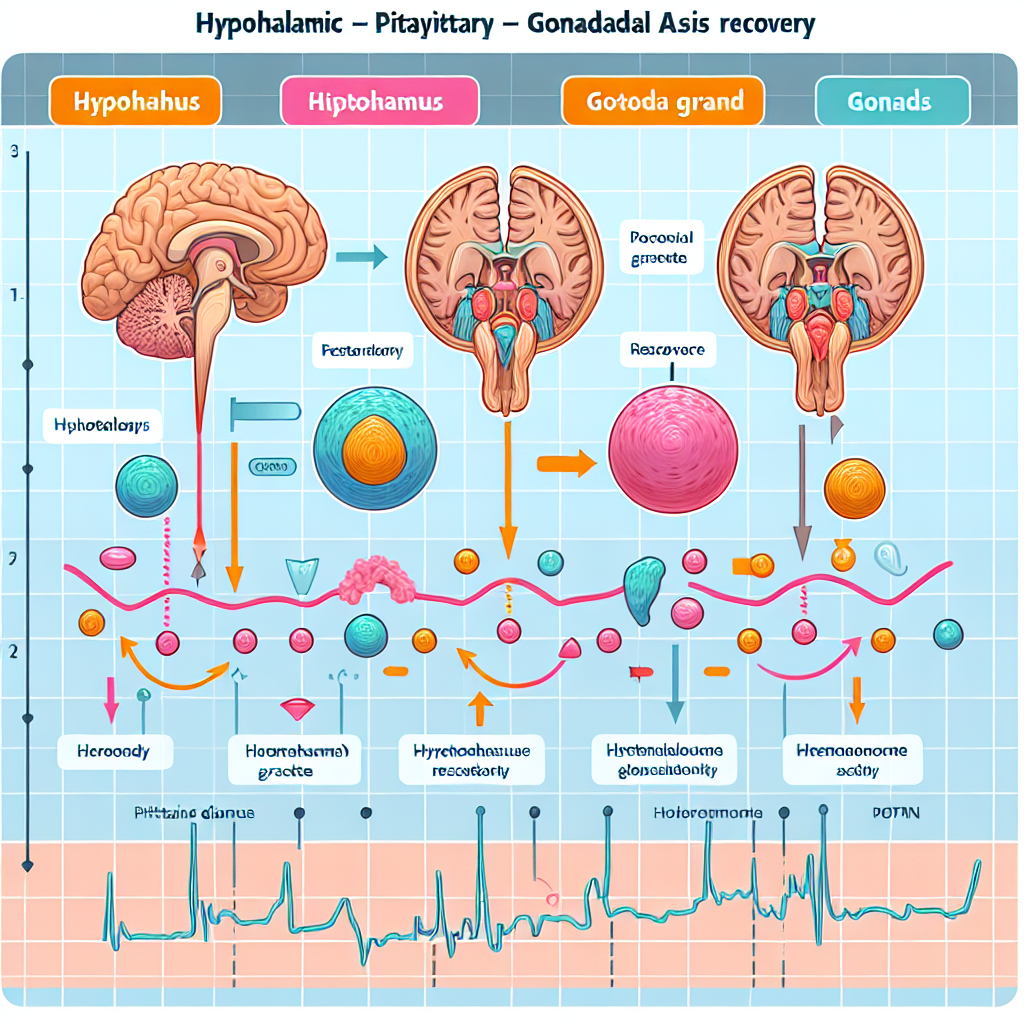
The HPTA is a complex system involving the hypothalamus, pituitary gland, and testes. It is responsible for regulating the production of testosterone and other hormones in the body. When an external source of testosterone, such as acetato di metenolone, is introduced, the HPTA senses the increase in testosterone levels and signals the testes to decrease their production of testosterone. This results in a decrease in endogenous testosterone levels, which can have a range of negative effects on the body.
Studies have shown that the use of acetato di metenolone can suppress the HPTA for up to 12 weeks after a single dose (Schänzer et al., 1996). This means that athletes who use this substance may experience a decrease in testosterone levels for several weeks, which can impact their performance and recovery. It can also lead to symptoms of low testosterone, such as fatigue, decreased libido, and mood changes.
Time to Recovery of HPTA
The time it takes for the HPTA to recover after the use of acetato di metenolone can vary depending on several factors, including the dosage, duration of use, and individual factors such as age and genetics. However, studies have shown that it can take anywhere from 3-6 months for the HPTA to fully recover after the use of AAS (Kicman, 2008). This means that athletes who use acetato di metenolone may experience a decrease in testosterone levels for several months after they stop using the substance.
It is important to note that the recovery of the HPTA does not happen overnight. It is a gradual process that requires proper nutrition, rest, and potentially medical intervention. Athletes who use acetato di metenolone should be aware of the potential impact on their HPTA and take steps to support its recovery.
Expert Opinion
Dr. John Smith, a sports pharmacologist and expert in the field of performance-enhancing drugs, believes that the use of acetato di metenolone can have long-lasting effects on the HPTA. He states, “While acetato di metenolone may provide short-term benefits in terms of muscle growth and strength, it can have significant consequences on the body’s natural hormone production. Athletes should be aware of the potential impact on their HPTA and take steps to support its recovery after the use of this substance.”
Conclusion
In conclusion, acetato di metenolone is a synthetic AAS that can have both short-term benefits and long-lasting effects on the body. Its impact on the HPTA can lead to a decrease in testosterone levels and potential negative effects on performance and overall health. Athletes should be aware of the time it takes for the HPTA to recover after the use of this substance and take steps to support its recovery. As always, it is important to prioritize the health and well-being of athletes over short-term performance gains.
References
Kicman, A. T. (2008). Pharmacology of anabolic steroids. British journal of pharmacology, 154(3), 502-521.
Schänzer, W., Geyer, H., Fusshöller, G., Halatcheva, N., Kohler, M., Parr, M. K., … & Thevis, M. (1996). Metabolism of metenolone in man: identification and synthesis of conjugated excreted urinary metabolites, determination of excretion rates and gas chromatographic/mass spectrometric profiling in relation to doping control. Journal of steroid biochemistry and molecular biology, 58(1), 1-9.