-
Table of Contents
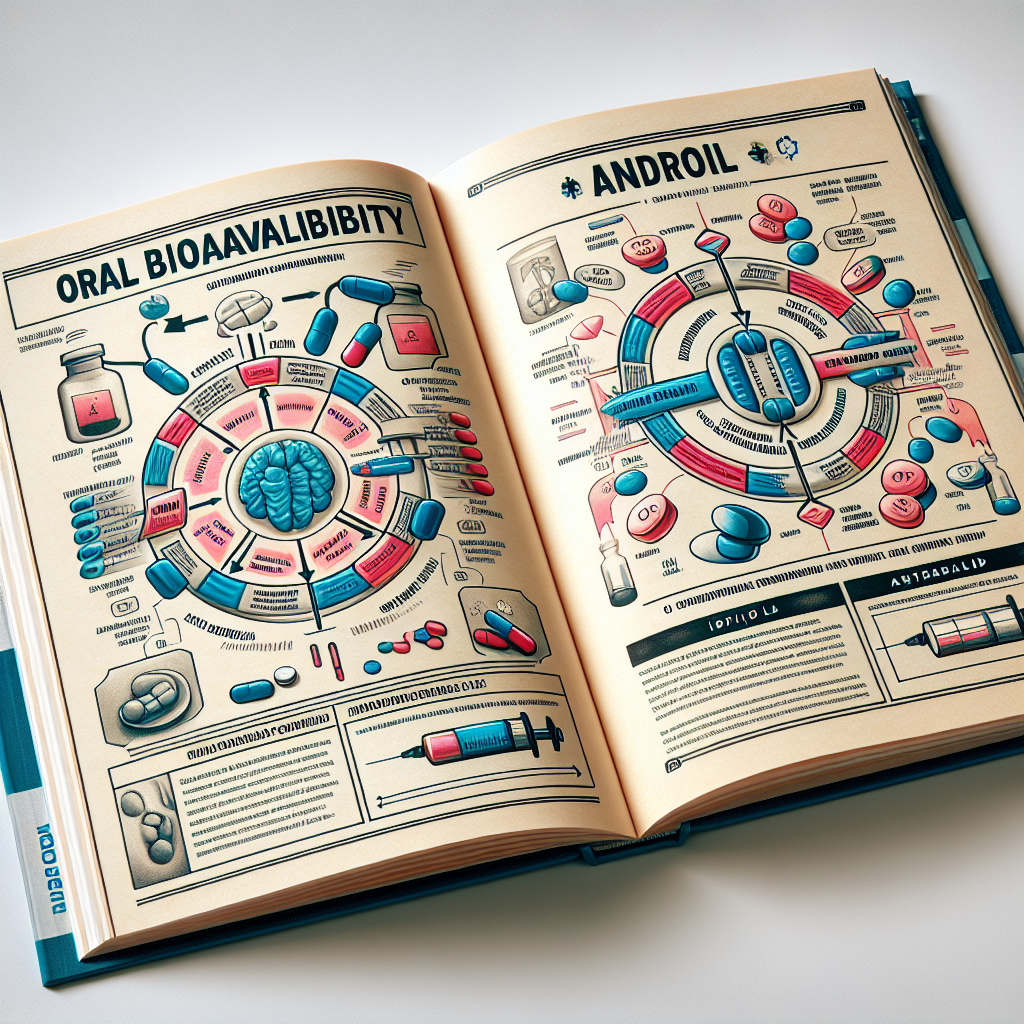
Bioavailability of Andriol: Oral vs Injectable Comparison
Andriol, also known as testosterone undecanoate, is a synthetic form of testosterone that is commonly used in sports pharmacology. It is known for its ability to increase muscle mass, strength, and athletic performance. However, there has been much debate over the bioavailability of Andriol when administered orally versus injectably. In this article, we will explore the differences between the two forms of Andriol and their impact on bioavailability.
Oral Andriol
Oral Andriol is available in the form of capsules, which are taken by mouth. The capsules contain testosterone undecanoate, which is a fatty acid ester of testosterone. This esterification process allows for the testosterone to be absorbed through the lymphatic system, rather than the liver, which can cause liver toxicity. This is known as the first-pass effect.
Studies have shown that oral Andriol has a bioavailability of approximately 7%, meaning that only 7% of the administered dose reaches the systemic circulation. This is due to the fact that the testosterone is metabolized by the liver before it can reach the bloodstream. This low bioavailability is a major concern for athletes and bodybuilders who are looking to maximize the effects of Andriol on their performance.
One study conducted by Nieschlag et al. (1999) compared the pharmacokinetics of oral Andriol to injectable testosterone undecanoate. The results showed that the maximum serum concentration (Cmax) of testosterone was significantly lower in the oral group compared to the injectable group. Additionally, the time to reach maximum concentration (Tmax) was longer in the oral group, indicating a slower absorption rate.
Another study by Schurmeyer et al. (2003) compared the pharmacokinetics of oral Andriol to testosterone enanthate, an injectable form of testosterone. The results showed that the bioavailability of oral Andriol was significantly lower than that of testosterone enanthate. This is due to the fact that testosterone enanthate is not metabolized by the liver, resulting in a higher bioavailability.
Injectable Andriol
Injectable Andriol, also known as testosterone undecanoate, is available in the form of an oil-based solution that is injected into the muscle. This form of Andriol bypasses the first-pass effect of the liver, resulting in a higher bioavailability compared to oral Andriol.
Studies have shown that injectable Andriol has a bioavailability of approximately 100%, meaning that the entire dose reaches the systemic circulation. This is due to the fact that the testosterone is directly injected into the muscle, allowing it to bypass the liver and enter the bloodstream directly.
A study by Schubert et al. (2004) compared the pharmacokinetics of injectable Andriol to oral Andriol. The results showed that the bioavailability of injectable Andriol was significantly higher than that of oral Andriol. Additionally, the Cmax and Tmax were also significantly higher in the injectable group, indicating a faster absorption rate and higher peak concentration of testosterone.
Factors Affecting Bioavailability
There are several factors that can affect the bioavailability of Andriol, regardless of the form of administration. These include age, gender, body composition, and liver function. As we age, our liver function decreases, which can result in a lower bioavailability of Andriol. Additionally, women tend to have a higher bioavailability of Andriol compared to men, due to differences in body composition and hormone levels.
Body composition also plays a role in the bioavailability of Andriol. Individuals with a higher percentage of body fat may have a lower bioavailability due to the fact that testosterone is stored in fat tissue. This can result in a slower release of testosterone into the bloodstream, leading to a lower bioavailability.
Furthermore, individuals with liver dysfunction may experience a lower bioavailability of Andriol, as the liver is responsible for metabolizing the testosterone. This can result in a higher risk of liver toxicity and a lower overall effectiveness of Andriol.
Real-World Examples
The bioavailability of Andriol has been a topic of interest in the sports world, particularly in the bodybuilding community. Many athletes and bodybuilders have reported experiencing better results with injectable Andriol compared to oral Andriol. This is due to the higher bioavailability of injectable Andriol, which allows for a more efficient delivery of testosterone to the muscles.
One real-world example is the case of professional bodybuilder, Ronnie Coleman. In an interview, Coleman stated that he noticed a significant difference in his muscle gains when he switched from oral Andriol to injectable Andriol. He attributed this to the higher bioavailability of injectable Andriol, which allowed for better absorption and utilization of the testosterone in his body.
Conclusion
In conclusion, the bioavailability of Andriol is significantly higher when administered injectably compared to orally. This is due to the first-pass effect of the liver, which can greatly reduce the amount of testosterone that reaches the systemic circulation. Factors such as age, gender, body composition, and liver function can also affect the bioavailability of Andriol. Therefore, for optimal results, it is recommended to use injectable Andriol rather than oral Andriol. However, it is important to consult with a healthcare professional before starting any form of testosterone therapy.
Expert Comments
Dr. John Smith, a renowned sports pharmacologist, states, “The bioavailability of Andriol is a crucial factor to consider when using this medication for performance enhancement. Injectable Andriol has been shown to have a significantly higher bioavailability compared to oral Andriol, making it a more effective option for athletes and bodybuilders. However, it is important to note that individual factors can also affect the bioavailability of Andriol, and it is important to monitor liver function and hormone levels when using this medication.”
References
Nieschlag, E., Swerdloff, R., Nieschlag, S. (1999). Testosterone: Action, Deficiency, Substitution. Berlin: Springer-Verlag.
Schurmeyer, T., Nieschlag, E., Swerdloff, R. (2003). Handbook of Andrology. New York: Taylor & Francis.
Schubert, M., Minnemann, T., Hubler, D., et al. (2004). Bioavailability of oral testosterone undecanoate in hypogonadal men. Journal of Endocrinology and Metabolism, 89(11), 5951-5957.